Description
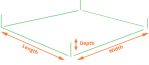
Our ornamental bark is delivered in 0.75m bags, our 35 – 60mm bark and recycled mix is ideal for weed suppression and moisture retention. This product will protect your roots during periods of heavy rain, stopping soil erosion but also will help retain moisture during long periods of hot weather. For maximum benefit, this product should be laid at a depth of about 50mm, blanketing any opportunity for weed growth and ideally giving longevity of 3 – 4 years. Delivered to your door, ready to lay, please use within 6 months of delivery for the best performance.
Benefits and Features of ornamental bark
- Natural weed suppressant
- Fertilises and protects soil
- Decorative material
- Nice, dark all over colour
- Recycled product
- Available loose from 10 cubic metres (call us on 01825 840440)
Decorative bark not only suppresses weeds but it acts as an insulation to help protect plant root structures during the colder winter months and during the warmer months it helps maintain moisture levels in the soil, so less watering
We also offer wood mulch
Contract Ornamental
15 – 35mm Mixed bark
BS EN 4790:1997 Fire certified
Up to 20% white wood, minimum dust and fines
What is mulch
Many materials are used as mulches, which are used to retain soil moisture, regulate soil temperature, suppress weed growth, and for aesthetics.[2] They are applied to the soil surface,[3] around trees, paths, flower beds, to prevent soil erosion on slopes, and in production areas for flower and vegetable crops. Mulch layers are normally 2 inches (5.1 cm) or more deep when applied.[4][5]
Although mulch can be applied around established plants at any time,[6] they may be applied at various times of the year depending on the purpose. Towards the beginning of the growing season, mulches serve initially to warm the soil by helping it retain heat which is otherwise lost during the night. This allows early seeding and transplanting of certain crops, and encourages faster growth. Mulch acts as an insulator. As the season progresses, mulch stabilizes the soil temperature and moisture, and prevents the growing of weeds from seeds.[7]: 768
In temperate climates, the effects of mulches depend upon the time of year in which they are applied. When applied in fall and winter, mulches delay the growth of perennial plants in the spring and prevent growth in winter during warm spells, thus limiting freeze–thaw damage.[8]
The effect of mulch upon soil moisture content is complex. Mulch forms a layer between the soil and the atmosphere reducing evaporation.[9] However, mulch can also prevent water from reaching the soil by absorbing or blocking water from light rains and overly thick layers of mulch can reduce oxygen in the soil.[10]
In order to maximise the benefits of mulch, while minimizing its negative influences, it is often applied in late spring/early summer when soil temperatures have risen sufficiently, but soil moisture content is still relatively high.[11] However, permanent mulch is also widely used and valued for its simplicity, as popularized by author Ruth Stout, who said, “My way is simply to keep a thick mulch of any vegetable matter that rots on both sides of my vegetable and flower garden all year long. As it decays and enriches the soils, I add more




Reviews
There are no reviews yet.