Description
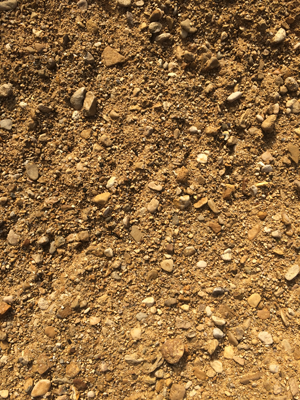
Our 20mm ballast is a mixture containing particles ranging from 0 to 20mm. For use in standard concrete mixes for both domestic and commercial application.
Features and benefits of 20mm ballast
- For both domestic and commercial concrete applications
- Available in 850kg bulk bags
Other associated products: concreting sharp sand, 10mm channel gravel, 20mm channel gravel
Ballast is material that is used to provide stability to a vehicle or structure. Ballast, other than cargo, may be placed in a vehicle, often a ship or the gondola of a balloon or airship, to provide stability. A compartment within a boat, ship, submarine, or other floating structure that holds water is called a ballast tank. Water should move in and out from the ballast tank to balance the ship. In a vessel that travels on the water, the ballast will remain below the water level, to counteract the effects of weight above the water level.[1] The ballast may be redistributed in the vessel or disposed of altogether to change its effects on the movement of the vessel.
Concrete is a composite material composed of fine and coarse aggregate bonded together with a fluid cement (cement paste) that hardens (cures) over time. Concrete is the second-most-used substance in the world after water,[2] and is the most widely used building material.[3] Its usage worldwide, ton for ton, is twice that of steel, wood, plastics, and aluminum combined.[4] Globally, the ready-mix concrete industry, the largest segment of the concrete market, is projected to exceed $600 billion in revenue by 2025.[5] This widespread use results in a number of environmental impacts. Most notably, the production process for cement produces large volumes of greenhouse gas emissions, leading to net 8% of global emissions.[6][7] Other environmental concerns include widespread illegal sand mining, impacts on the surrounding environment such as increased surface runoff or urban heat island effect, and potential public health implications from toxic ingredients. Significant research and development is being done to try to reduce the emissions or make concrete a source of carbon sequestration, and increase recycled and secondary raw materials content into the mix to achieve a circular economy. Concrete is expected to be a key material for structures resilient to climate disasters,[8] as well as a solution to mitigate the pollution of other industries, capturing wastes such as coal fly ash or bauxite tailings and residue.
What is ballast




Reviews
There are no reviews yet.